Hello and Welcome
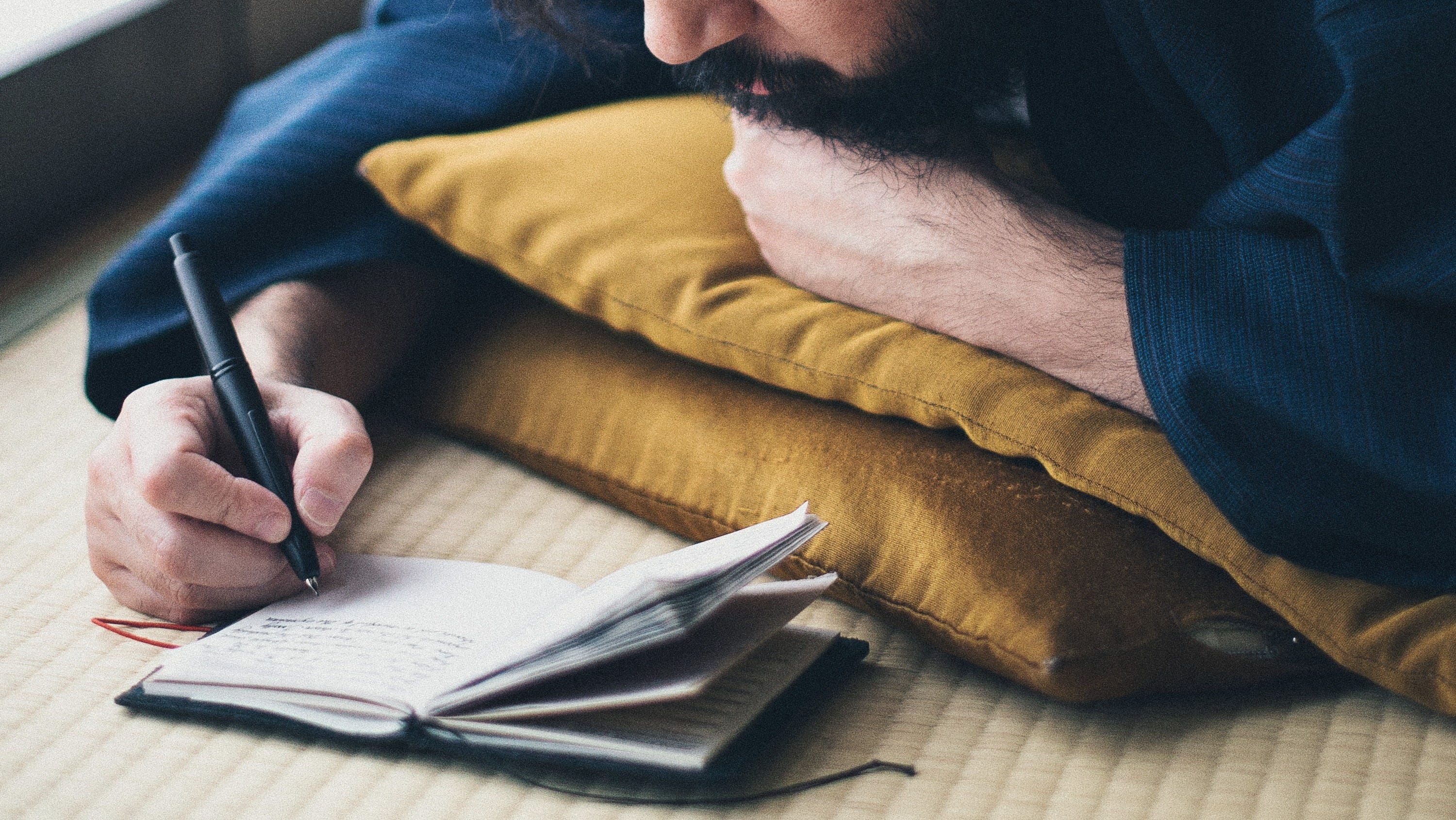
My name is Wil, and I've been jotting down ideas, thoughts, and obsessions for as long as I can remember. Of all the creative endeavours I've dabbled in, journaling has been the one ritual that has always stayed with me.
The Way of the Mirror is where I share essays inspired by past journals, revisited with fresh perspectives after time has passed. They are reinterpretations of the forgotten past — through nostalgia, reflection, and meaning — striving toward a life well lived.
I'm based in Canada, but I spend time in Kyushu, Japan with family, where I draw inspiration from the rituals and aesthetics of daily life.
My Journaling Practice
I've kept journals for as long as I can remember. Here's what it looks like today:
I write long form on A5 notebooks with a fountain pen, choosing inks to suit the moment.
I'm drawn to artistic endeavours: trying my hand at watercolour, DIY stamps, brushwork, or small flourishes, appreciating the process and struggles of craft.
Ephemera from my travels often complement entries like time capsules. As a product and experience designer, I draw inspiration from typography, layout, and visual storytelling I encounter along the way.
A trusted system techo accompanies me daily, serving as a planner, wallet, calendar and mini gallery of past entries. It’s becoming a talisman.
Woodcased pencil and a pocket notebook: like a reliquary of mundane moments, observations, and a testament that we’ve lived.


Testing the Archival Promise of Paper
I see journaling as a kind of legacy—not monetary inheritance, but to leave clues for whoever comes after us. I missed my chance to draw out many of my parents’ and grandparents’ stories, so now I write to make up for it—small glimpses of our days that might help the next generation understand where they came from.
An Inspiration: Traces of Kinfolk
Years ago, I was in love with a few issues of Kinfolk magazine: tasteful matte stock, juicy margins full of whitespace, and photography with soft focus and buttery smooth bokeh1. The essays were contemplative, pared back, and left plenty of room for reflection. They were slow, ritualistic, and ceremonial, observing life through tiny vignettes that hinted at a world lived well.


Here, I hope to capture a similar sensibility, sharing small snapshots drawn from a life-long journaling practice.
Expect to Find
Consider one of these essays if you are new here: inspired by past journals, revisited with reflection and a fresh perspective.
Bokeh (ボケ) refers to the aesthetic quality of the out-of-focus areas in a photograph. It’s not simply about the amount of blur, but how that blur is rendered — whether soft and smooth or restless and distracting. Pleasing bokeh quietly complements the subject, while nervous or busy blur competes for attention, pulling the eye away.
This 1997 article is often credited with popularizing the term bokeh in English, directly acknowledging its Japanese roots (from bokeru, ボケる, “to blur” or “to be out of focus”).
Mike Johnston, “What Is Bokeh?” Photo Techniques, May/June 1997. Reprinted online at The Online Photographer, accessed September 21, 2025.