

Less, but Better
On Henokiens, Dieter Rams, and learning to tread lightly in a world of abundance

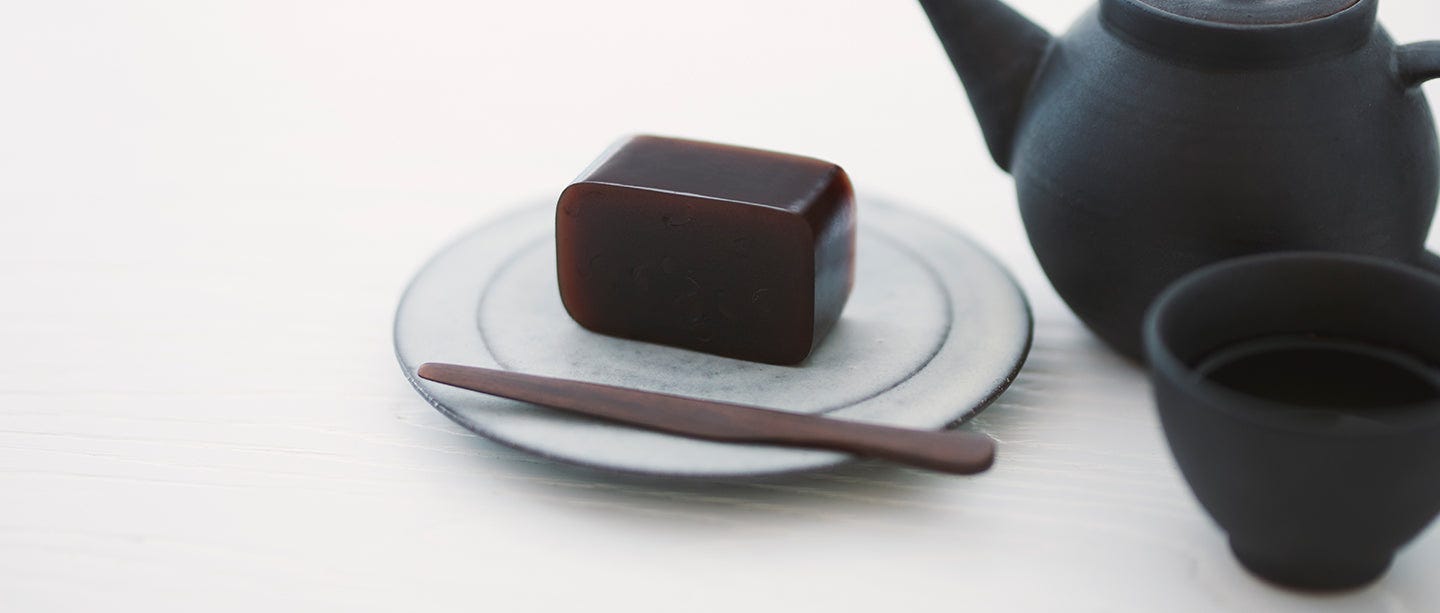
It was early afternoon, and I was alone at my in-laws in Fukuoka, Japan. On a beautiful piece of urushi lacquerware1 rest thinly sliced pieces of Yōkan (羊羹). These traditional Japanese desserts are typically made with plant-based ingredients such as azuki paste, agar agar, and sugar. They often appear in colourful but muted hues in translucent blocks of jelly, but with a satisfying firmness. Beneath the underlying sweetness, flavours are subtle. There is a delicacy to them with a cooling effect on hot summer days, especially when paired with green tea.
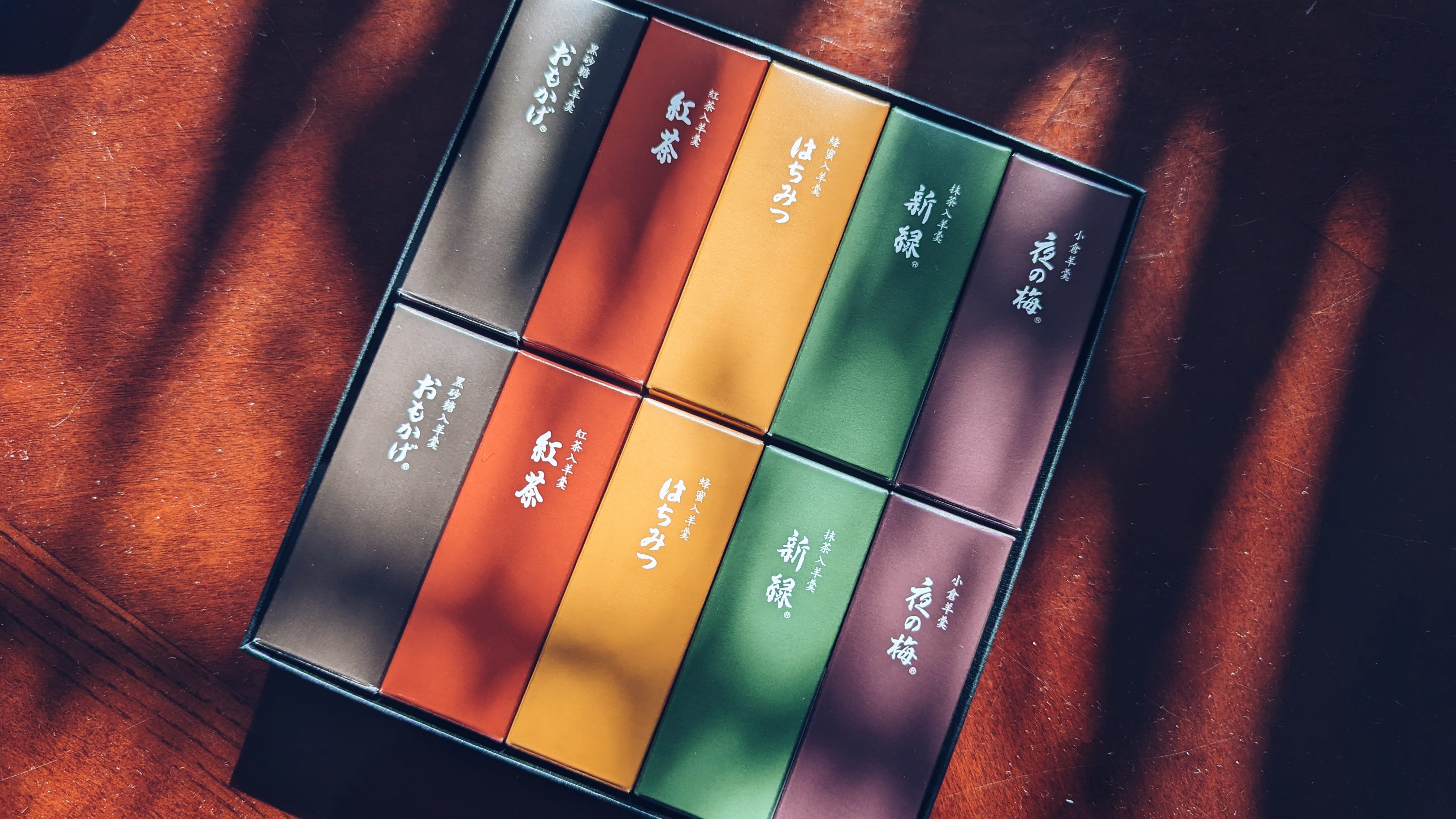
During this quiet moment of contemplation, I was intrigued by the minimalist packaging, with its earthy colour palette and poetic names that hint at the flavour. I broke the magic of the moment when I casually looked up the company behind the simple dessert. Little did I know that I was about to dive headfirst into a rabbit hole rich in history and tradition of some of the world's longest-running family-owned businesses.
A quincentenary confectionery maker, fit for emperors
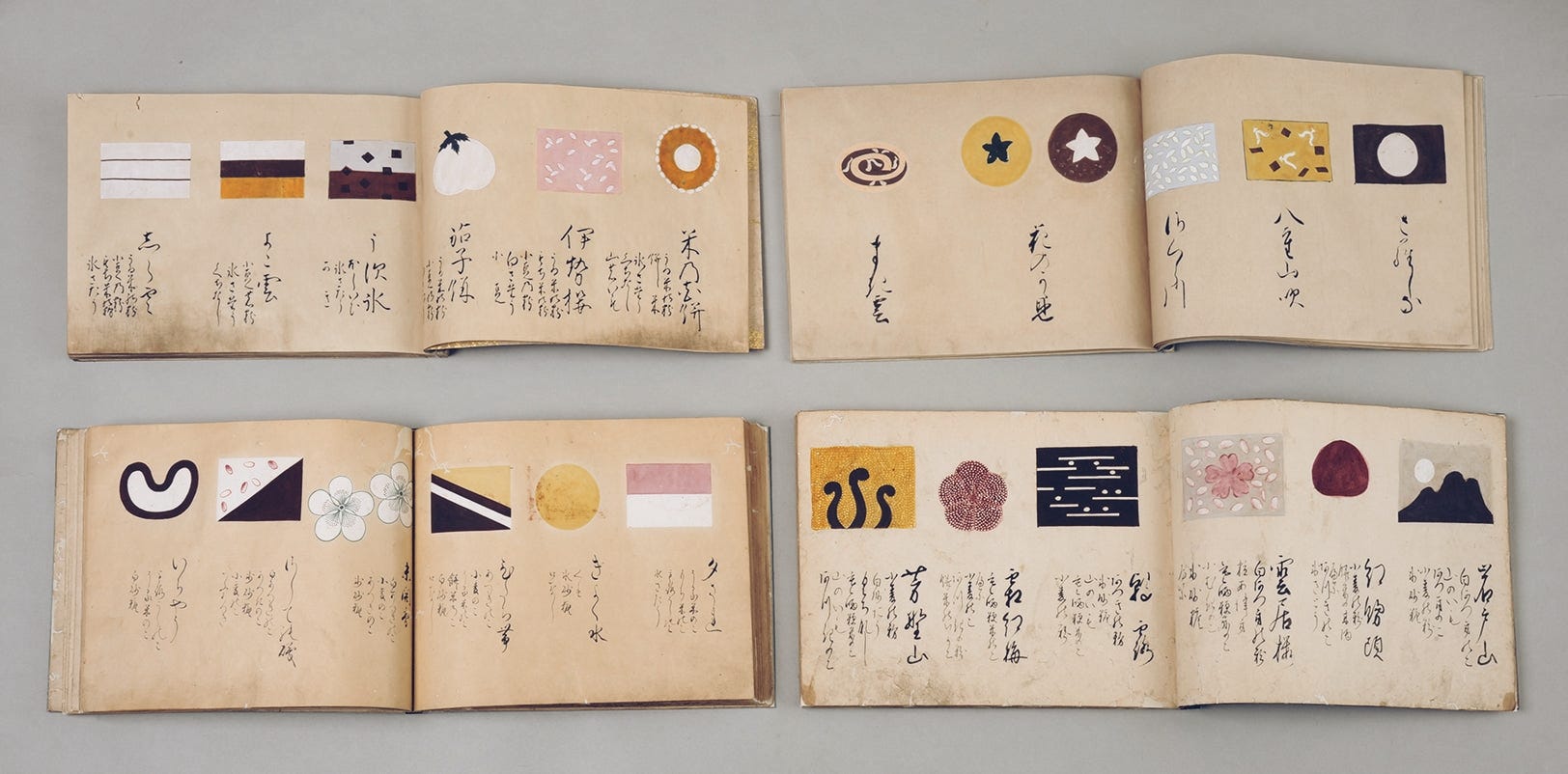
Toraya (株式会社虎屋) was founded in the 16th century in Kyoto, Japan2. They are famous for being a purveyor of confectionery goods to the Japanese Imperial Court. It's hard not to be drawn into its rich history, from museum-worthy design books, sepia-tinted photos, and a timeline of the company's highlights over the last 500 years. Curiously, they have a company ethos that prioritizes the quality of their products over growth and expansion3. This idea feels both inspiring and refreshing to me.
Discovering the centuries: The Henokiens and a charming 1,300‑year‑old inn
As I prepared another serving, I learned that Toraya belonged to an international association known as the Henokiens Association (L'Association des Hénokiens). Established in 1981, the French organization has a core philosophy of valuing family businesses as a viable alternative to multinational corporations. Its membership consists of 56 family-owned companies that have been in existence for 200 years or more, with at least one family member still actively involved in management.
The oldest member of the Henokiens is Hōshi Ryokan (法師旅館), a darling of a traditional Japanese inn founded in 718 AD. It has been managed by the "same" family for 46 generations4.
Hōshi is over 1,300 years old (1.3 millennia).
When Hōshi opened its doors to its first customers, Japanese feudalism wouldn't exist for another 300-400 years. There are no clocks, compasses, paper money, corrective eyeglasses, nor official samurai as a class structure.
Elsewhere in the world, the Vikings have yet to begin their raids. No Roman Empire, Renaissance, nor any Shakespeare plays for reading or viewing enjoyment. Hōshi, among many other Henokien members, have survived world wars, revolutions, natural disasters, and upheavals for centuries.
As a former salaried employee, my experience and context in businesses lean near the top-middle of the chart. I can't help but marvel at the perpetual balancing act between building a legacy based on tradition and innovating just enough to remain relevant and viable.
I've shared my disdain for the unsavoury tactics in behavioural economics that are often used by contemporary businesses to encourage (nudge, engineer, coerce?) us to buy more. I am drowning in the constant drone of the hype machine, urged to sidegrade into redundancy and storage, without a care for materials and waste. I miss the days when abundance came from having less. The irony is that these Henokien giants, along with their longevity, timelessness, and tradition, feel surprisingly invigorating to me.
Roaring waves and spray,
recede without a whisper —
silent depths endure.
Finding solace in a timeless design philosophy
Upon returning home, I was scanning through various completed Traveler's Notebook inserts. I was flipping through pages filled with ephemera of Henokien product packaging, questionable haiku, and other novel reminders of my fascination with these timeless legacies. As I was about to archive the notebooks, I realized that I didn't want my fascination to cease. An inkling tells me that there is more to this thread.
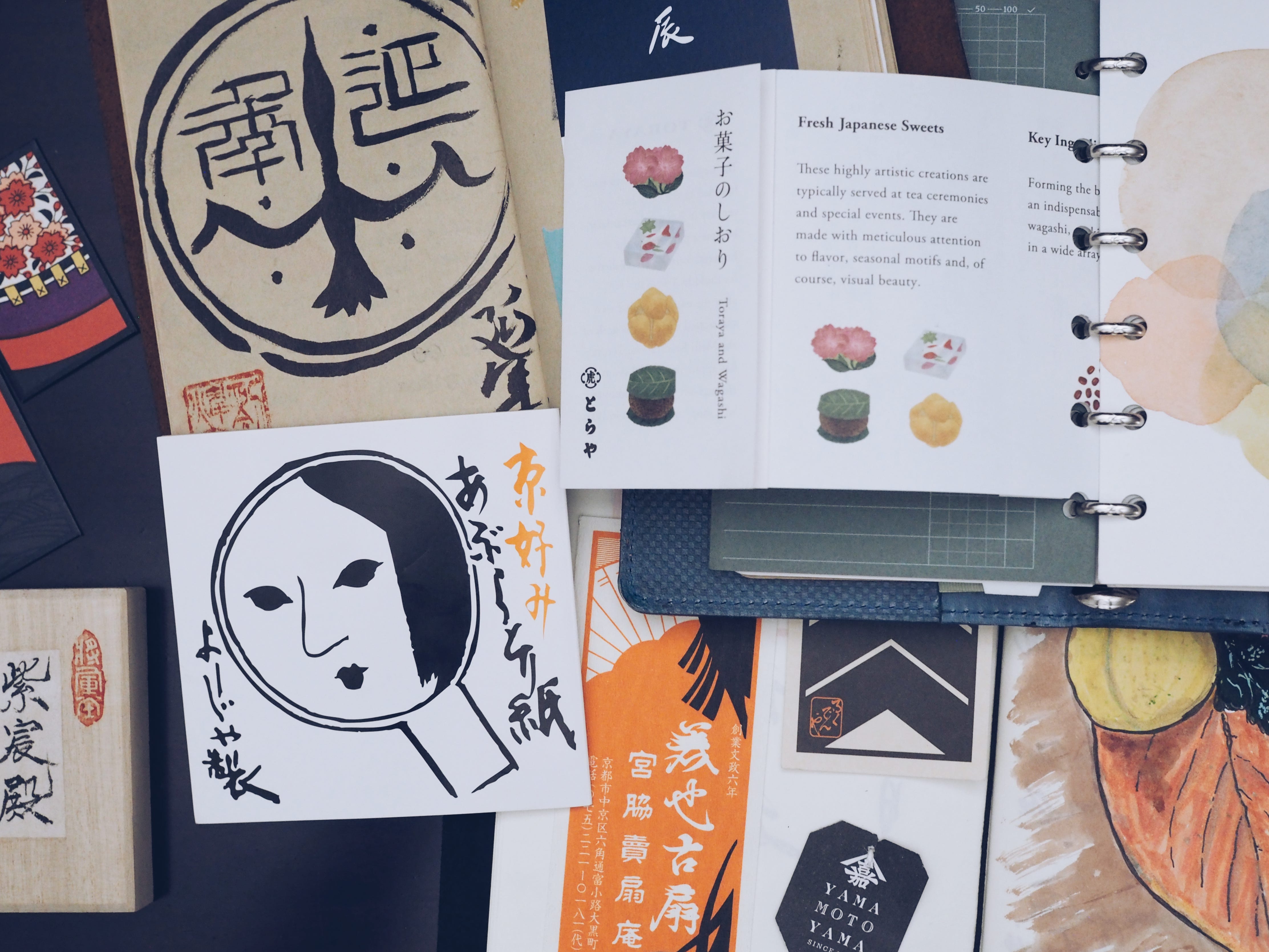
In my haphazard attempt, I decided to surround myself with as many Henokien products as I could find to tease out themes or insights. If none could be found, I would supplement with Henokiens-in-spirit5 objects: products that exude the same principles as Henokiens but without the stringent family-owned stewardship or 200+ years of operation.
I curated 15 possessions: 5 from Henokien members, 6 from Henokien-like companies, and 4 from younger firms (100+ years young) that share a similar spirit.
Gallery: Selected items from the Henokien-in-spirit experiment


INDEN‑YA (印傳屋) (1582): Deerskin leather wallet with urushi lacquer, repurposed as an A7 pocket notebook cover.6
Yagenbori (やげん堀) (1620): Shichimi togarashi (seven‑flavour chili pepper seasoning).
Brooks England (1866): B17 Special bicycle saddle.
Pilot Corporation (1918): Vanishing Point fountain pen.
Like other products made from natural materials, many of these items have been with me for a long time and they have aged majestically and improve with use. I wish more products incorporated longevity and gradual improvement over time as a design principle.
I ran the experiment as a diary study. I used these products regularly over a two-week period and noted my experience. I finished with a content analysis and culled for themes, ultimately arriving at a set of insights that are both novel and familiar. Most of the products exemplified:
Innovation (at the time)
A high degree of usefulness
An aesthetic quality that complemented its usefulness
Intuitiveness and easily understandable
A restrained or neutral quality
A sense of honesty without extraneous flairs to exaggerate or over-promise
Longevity in materials and timeless aesthetics. In some cases, the product improved with age.
Thoroughly considered where nothing is left to chance
Eco-friendly: minimizing both physical and visual pollution
Minimalism: unburdened with non-essentials
Folks familiar with product design may recognize some of these as the 10 Principles of Good Design by Dieter Rams. His principles, often described as a philosophy, are evident not only in his iconic work at Braun and Vitsœ, but also in Jony Ive's designs at Apple and Naoto Fukasawa's at MUJI7.
In Gary Hustwit’s documentary Rams, I learned that the impetus for these principles came from Rams’s own self-doubt: his questioning of whether his life’s work had contributed to the very problems he criticizes: consumerism, overproduction, and waste. The principles became his answer: a framework for design that is restrained, useful, and enduring.
The time of thoughtless design for thoughtless consumption is over. We must, with increasing soberness, and hopefully with growing alertness and rationalism, take notice.
A framework for choosing well
Not everyone plays a role in product design or influences how something is used. But as consumers, we need our flavour of these guiding principles to elevate our buying decisions from thoughtless to considered. I don't believe we should accept Rams' work verbatim. It's a great starting point for us to curate our own.
This seemingly small connection between Henokiens and the principles of Dieter Rams feels hard‑earned. I am grateful that I trusted my instincts before archiving the Traveler's notebook which led to this rewarding insight: a framework for thinking more clearly about what to bring into my life, and which objects are most likely to offer lasting contentment.
The Way of the Mirror is a passion project that brings together journal writers. I value transparency and journaling nerdism, from the tools I use to the steps in my writing process8. If this reflection sparked a moment of inspiration or introspection, consider supporting this work by subscribing. It truly means more than you know. Thank you for reading.
Wil
Writing Exercise:
In every post, I include context, references, and a writing exercise. I am doing this to help solve one of the top painpoints of journal writing and that is, "what should I write about?"9
Awareness
In my previous life as a User Experience Designer, what contributed to the success of my products depended on my ability to design in an elusive state of selflessness. With no ego, I had to set aside my personal whims and desires to focus solely on the people who used the products.
This calls for a mix of psychological insight and design sensibilities: empathy, attentiveness to subtle emotions, curiosity about people, a willingness to learn from mistakes, and patience. To help me make sense of behaviours that deviate from what’s expected, I often referenced cognitive bias codex as an indispensable tool, famed in the many design practices.

Having been in the industry for most of my life, I can't help but live in perpetual self-questioning of my own biases in the decisions that I make. The cognitive bias in focus this week is the endowment effect, which states:
This cognitive bias causes people to ascribe more value to things merely because they own them.
If you've ever wondered why used items sometimes costs more than a new one, you’ve witnessed the endowment effect in action on Facebook Marketplace.
Hypothesis
What is really interesting to me is that the effect could be more potent the longer an item is owned, not simply because of time alone, but there could be other interrelated psychological factors at play from long-term ownership:
Psychological ownership: possessions becoming an extension of ourselves. A well-loved journal, fountain pen, a favourite mug, or a musical instrument might feel like a part of our identity.
Memory encoding: a fancy name for sentimental value: long-held items get tied to personal memories, routines and milestones. The emotional weight heightens the perceived value.
Mere exposure effect: we prefer the familiar.
Sunk cost fallacy: if we invested time, effort, and money on something, we are compelled to maintain and even overvalue it, even if it no longer serves us.
With all of the biases out of the way, here is this week's hypothesis:
The endowment effect is often labelled irrational and something we should resist. What if we flipped the script and considered it to be a source of meaning instead?
Method
With your journal and writing instrument at the ready:
Gather: Make a list of possessions that have been with you for a long time. They should be in regular rotation and not just stored away.
Age: Note when you came into possession of each item and how long it has accompanied you.
Anchor: Write down key memories or life events you experienced with each item.
Distill: From your list, highlight a few items that hold the most profound meaning for you.
Themes: Look for patterns. Perhaps they were inherited, purchased while travelling, made of natural and timeless materials, or are irreplaceable.
Synthesize & Envision: Expand your notes into an extended reflection. What do these possessions reveal about your values, and how might they shape your choices moving forward?
Optional Steps
Resonance: Reflect on or capture how you feel about each object now compared to when it was new.
Counterpoint: With these themes in mind, consider the concept of novelty and trendy. How do you now feel about the allure of something coveted that is "new" without a personal history? Or items with planned obsolescence built-in?
Assessment and Insights
Dieter Rams often summarized his principles with the pithy philosophy "Less, but Better" (Weniger, aber besser). It serves as a call to action for designers to make bold, subtractive choices in pursuit of clarity and function.
In my own explorations—through Henokiens, experiments, rediscovered design principles, and journaling—I've arrived at a similar philosophy: not as a designer shaping products, but as a way of life. Conscious and considered, it is about treading lightly through this world of abundance and mediocrity. “Less, but Better” is now on the cover page of my techo (手帳), steeping quietly and gathering strength as a personal principle until the next iteration.
Urushi (漆) is a natural Japanese lacquer made from the sap of the urushi tree, used for thousands of years to coat and protect objects. Its raw sap contains urushiol (the same irritant found in poison ivy) which can cause contact dermatitis, and requires trained artisans to handle it safely. Unlike synthetic finishes, urushi hardens slowly in a humid environment, taking days to weeks to cure into a waterproof, heat-resistant, and long-lasting Heirloom-worthy surface.
Celebrated for the way it deepens in lustre and patina with use, urushi has adorned everything from samurai-era armour and helmets to modern bowls, chopsticks, tea ceremony utensils, and even fountain pens.
There are unofficial claims that Toraya was founded in the year 1526, though the company itself only refers broadly to its origins in the 16th century.
Henokiens Association, Case Study: Toraya, https://www.henokiens.com/userfiles/file/Case_study_Toraya.pdf.
Mukoyōshi (婿養子), meaning "adopted son-in-law" in Japanese, is a tradition in which a male heir is adopted into a family, typically as the husband of a daughter, to inherit the family's business or name.
Japan has over 3,000 companies older than 200 years, many of which could be eligible (on paper) for Henokien membership. Yet, as with restaurants declining Michelin stars to avoid pressure, scrutiny, or over-tourism, I suspect not every business seeks recognition with the Association.
I have no affiliation with the products mentioned, except for INDEN-YA, whom I contacted earlier this year. I deeply admire their craft, history, and products, and have shared some of my own stationery design ideas with them in hopes they might consider them.
I find it mind-boggling that a design playbook exists for nearly every product to achieve wild success. Yet, only a select few were able to follow and execute it as intended while the rest of the world continues with banality.
Ideation: A Blackwing Pearl with 2025 Hobonichi HON · Initial Draft: Lamy 2000 with 2025 Hobonichi HON and Joplin · Editing: Grammarly · Photos: Pixel 7 and Olympus OM-D E-M5 Mark II, M.ZUIKO 25MM F1.8, Lightroom · The film Rams was accessed through Kanopy from my local library
A daily, recurring topic that surfaces on the subreddit of r/Journaling.
To be fair with designers, more often than not, the push to plaster every pixel with call to actions usually come from higher ups. But also, too many designers focus on their personal aesthetic preference and pushing pixels rather than considering that a human being will be using the product and could care less about the glass look that is trending...
Anyhow, I'm sad I can't think of an object that has lasted long enough being used frequently be my that is not electronic. The only exceptions: a foldable water cup and an eraser. Yes I use it often, yet I hardly made a dent on it after several years. It will probably go bad before I use half of it.
“It serves as a call to action for designers to make bold, subtractive choices in pursuit of clarity and function.” Thank you for the reminder.