

In Praise of the Snapshot
Our memories deserve more than digital abundance.

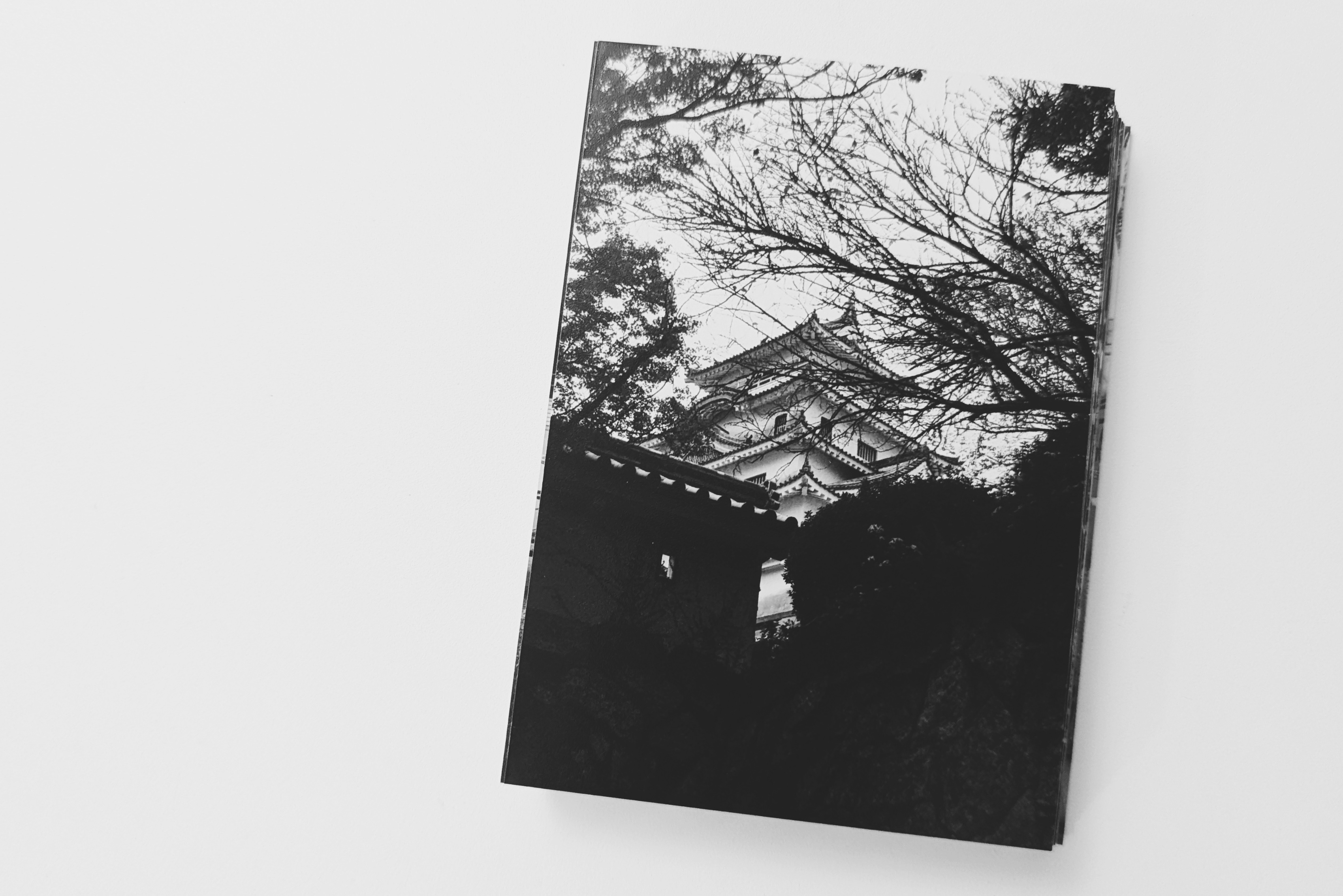
I once believed that printed photos were fleeting, at the whim of a household catastrophe, while the photos on our devices would live on forever. It’s time to rethink this.
With my phone in hand, finger on the shutter button, I thought to myself, What am I doing exactly?
For one, there is the act of capturing and freezing moments in time. It’s easy to believe that I am making and preserving memories. But to fully understand and explore this question, it comes down to what I do (or don’t do) with these photos after the shutter press.
Since I started using my phone as a camera, I’ve made the mistake of shooting from the hip. Figuratively speaking, where I shot first and asked later, except that later never happened until recently, when I dusted off the remnants of a once-wonderful hobby full of promise that has fallen by the wayside.
The Album on the Shelf
Like many others, photography has been a part of my life since I was born. I was lucky that my parents documented my coming into this world and most of my youth in neat photo albums - with period-correct stock photo covers, flowing hair, busy shirts and bell bottoms in full glory. These albums have otherwise stood the test of time, and I feel like they’ll always be there.
My parents were kind enough not to feel too precious about cameras, and the risks of exposing the film roll had I loaded it incorrectly with my clumsy kiddie hands. I am thankful that they took the time and were patient enough to teach and explain to me how everything worked.


The shots that I took were obviously poorly composed and technically unsound. But when I look at them now, they are endearing precisely because of the very flaws and easygoing nature of these blurry snapshots.
From Liberation to Exhaustion
Since the advent of digital photography, I walked a similar path that many enthusiasts might have traversed. Unbounded by frame count and with the freedom to shoot without a care felt liberating. Better sensors, cheaper storage, more forgiving software: the trifecta that ended photography’s gatekeeping. Suddenly, the tools of professionals slipped into the hands of the rest of us. Hobbyists could achieve stunning shots.
During the peak of digital photography, it was not unusual to see a smattering of compact point-and-shoot cameras alongside pro gear at popular tourist attractions or walks around town. Even my mom (a late majority in tech) had a neat little pocket-sized camera for snapshots in daily life.
For a brief time, with the persuasion of friends and club meets, I found myself in studios, product launches and other events. Then came paid gigs, where I learned that working as a photographer is very different from personal artistic pursuits. This may have been an ideal moment to pause and ask myself what it was precisely that I was hoping to accomplish.
You don’t have to lug cameras into studios or take on client gigs to know the feeling. For some, it’s posting to platforms, hoping others see the same beauty they do. I lost the plot when I stopped making photos for myself.
The Household Archivist
My brother and I were debating about a childhood recall. It may have been about the arrangement of furniture in our childhood home or the nuance in a particular wallpaper pattern, but be assured that it was inconsequential. Still, it mattered enough for us to want to settle by digging up the family photo albums. Over the years, I rarely referred to these old tomes. Now that I am reacquainted with them again, I’ve been referring to them more frequently, juxtaposing my fuzzy memory against a more objective version of the past. When you have experienced enough, it does indeed feel like a different lifetime.
When my children were born, I had not realized that I had automatically signed up for various implied roles that came along with being a parent. The household became a small enterprise where finance, operation, and lifestyle required new and dedicated skills. It was when I was flipping through the old family photo albums that I realized how much I had dropped the ball at being the household photographer or archivist — albeit a lower ranking role on the list of other more crucial roles, but one that is of necessity. One that I assumed I’d excel at.
In Praise of the Mundane Snapshot
At this point in the hobby, I was not exactly burnt out, but I had lost the plot. I gladly exchanged the camera bag for the diaper bag. Being sleep deprived meant I wasn’t looking back or processing the few shots that I did take. I couldn’t distinguish the difference between the simple snapshot and the photos as art or paid work. I was conflating capital “P” Photography with casual snapshots that my father took for the purpose of making and preserving memories.
I’ve heard stories of Michelin-star chefs leaving work exhausted and grabbing leftover pizza slices from corner stores purely for sustenance. Here I am, missing opportunities altogether or taking potato shots of the fleeting moments of my daughter at crucial moments.
A Ritual in 36 Frames
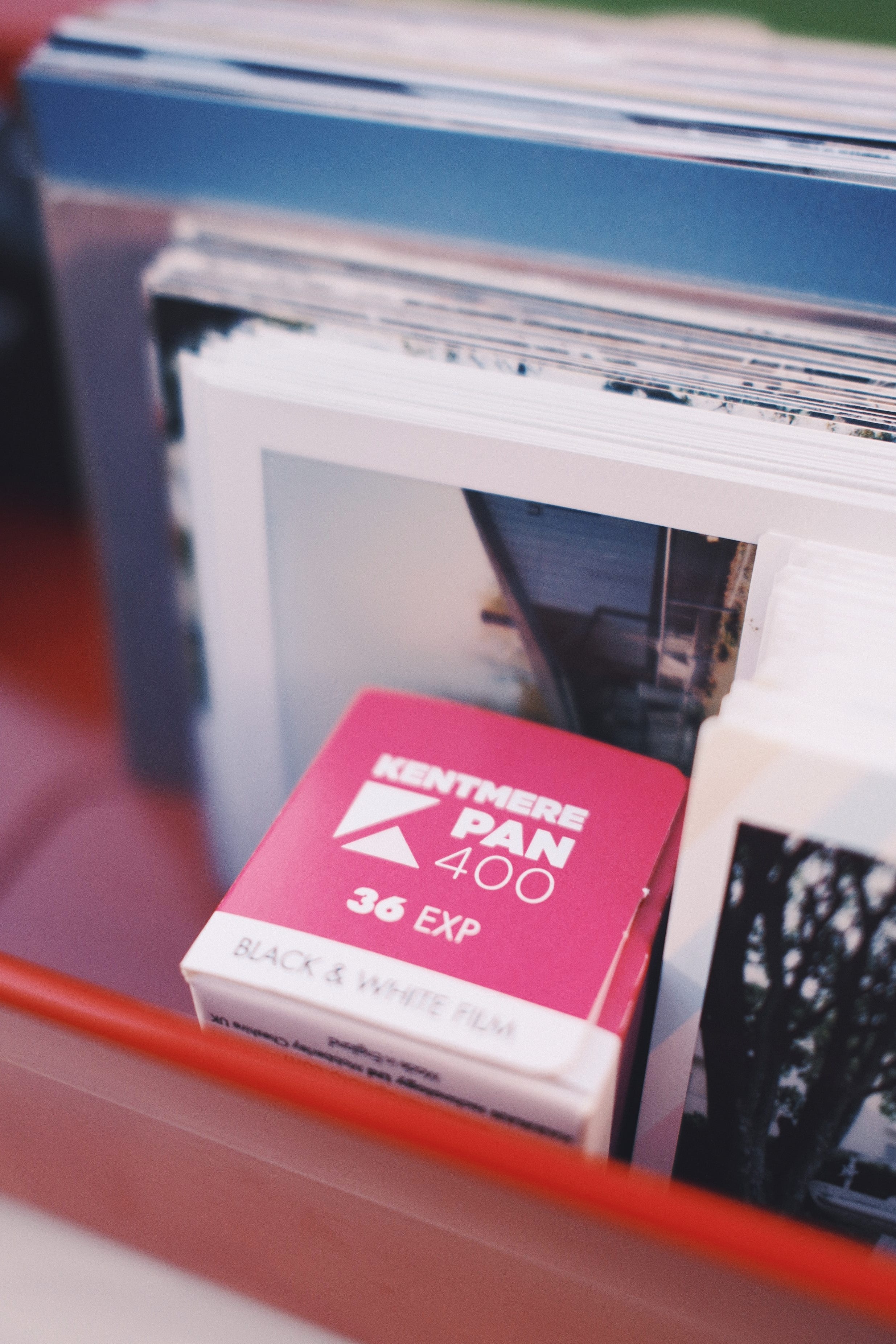
I hold my breath, elbow braced against my ribcage, body settling into a stance I’ve never consciously practiced but always return to. Time slows as I wait for the decisive moment to reveal itself. When it does, I press the shutter, the mirror and blades snapping open and closed, a small burst of torque transferring back into my hands. Vision returns in the viewfinder, and I exhale.
On days like this, photography feels less like pressing a button and more like a ritual. Like other rituals, it’s hard to explain to anyone who hasn’t felt it. Audiophiles lower the needle to savour the crackle before the first note. Writers relish the feedback of a nib across the fibres of a page, each line shaped by imperfection and personality. These are satisfying tactile experiences that screens and algorithms can only imitate but never replace faithfully. Although rarer now, I’m thankful these rituals still exist.
On the better days, this process of composing a shot through the viewfinder feels dreamlike and meditative. Very much like the vignettes by Donata Wenders in the film Perfect Days that signal the passing of each day, a metaphor for sleep, dreams, where our experiences of the day and our interpretation are jumbled and mixed beautifully.
Excerpt from Perfect Days (2023), directed by Wim Wenders. Cinematography by Donata Wenders. Used under fair use for commentary and criticism.
The click of the shutter is only the beginning. Getting to the end of the film roll, rewinding, and swapping it out with a fresh roll from the shop. Days or sometimes weeks may have elapsed before prints are in hand. Being surprised or disappointed by the prints is a part of the ritual. Oftentimes, the anticipated shots are blurry, ill-composed, or even cut off, whereas the suspected throwaways become the highlights.
Hidden in this ritual is a truth I didn’t want to face: editing apps demand hours of sliders and curves in pursuit of flawlessness, but dropping off a roll means surrendering control to time, to chemistry, to chance, even to humidity.
Warm tones, natural grain, buttery softness, and gentle vignette at the corners — each flaw and imperfection baked into film, dictated by the choice of stock and the chemistry of its developer.
Timeless Rituals
It’s clearer to me how photography in my life has evolved, and there is a lot more I didn’t ask for, and far less of the magic. I miss the spontaneity, leaving the “look” to circumstances and spending more time shooting and flipping through albums.
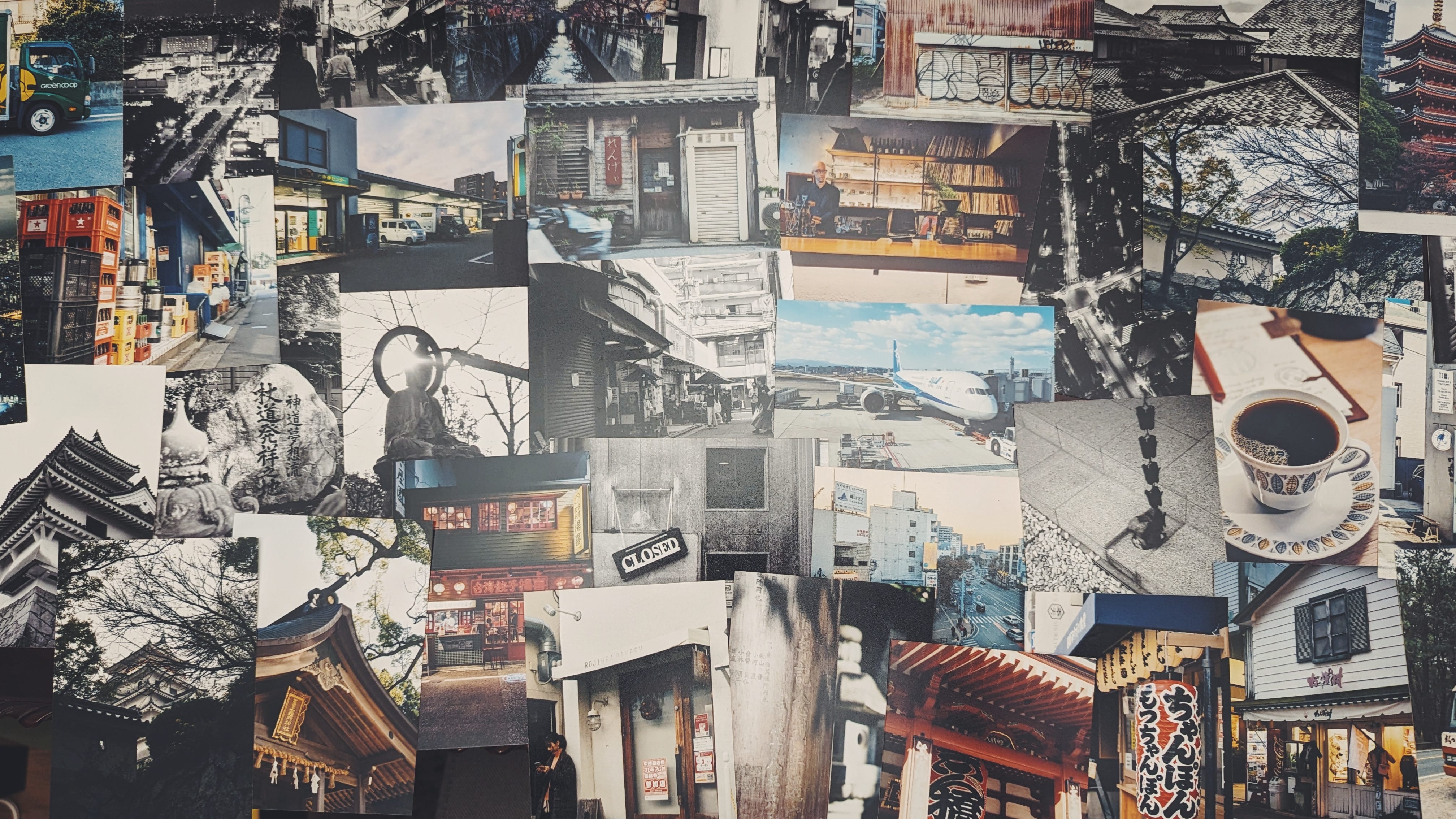
The 10, 24 or 36 print cap used to be a restraint and the Achilles heel of film. For years, I treated prints as temporary, always at the risk of vanishing, while I trusted digital to endure and live on forever. But the opposite may be true. My parents’ albums, with their worn covers and faded portraits, are still sitting in their living room. Meanwhile, my own photos are scattered across devices, memory cards, and the cloud, too scattered to enjoy.
I don’t want to keep treating the shutter button with abandon. I want to reclaim the role of the household archivist, to capture not just images but context, to preserve imperfect, mundane snapshots so that someday my kids, or my future self, can flip through them and know how our lives were truly lived. The photos that matter most aren’t always the ones worth sharing. They’re the ones worth keeping, because they hold memory and texture, showing us how life was truly lived.
Journaling has taught me that memory needs a home. Words find it in notebooks. Photos deserve the same.
✒︎
Journal Considerations:
If the essay resonated, here are some considerations to take into your journal.
Awareness
There are myriad reasons why we journal. At least within my practice, there is a lot of joy in looking back at past journals to recall long-forgotten memories and arriving at new and novel interpretations.
Since drafting this essay, I’ve stopped beating myself up over the missed photo opportunities. I went back to look at past journals, and lo and behold, the entries near significant life events all have photos neatly tucked alongside. Not all is lost.


There is no writing prompt this week, but more of a question to the journaling community: how do you integrate photos into your practice?
Hypothesis:
Could the use of visuals (sketches or photos) complement our journal practice?
Assessment and Insights
I must have tried every photo printing option out there. When there is no camera around, I would either sketch out the scene to the best of my ability or take potato pics. I used to shoot with a Micro Four Thirds body and processed with VSCO. I was able to get a beautiful film look with minimal processing.
Recently, I have been trying out a Fujifilm X-series camera for the in-cam film sim, skipping processing altogether and leaving it to chance. I am printing on the Canon Selphy. Unlike Instax, prints are more affordable. Prints have an adhesive backing, and they are thinner so as not to bulk up the journal. I do lose out on the authentic film look or natural toy camera softness. When I am in Japan, there are lots of photo printing kiosks where I batch print once or twice a week.
Thank you for reading. If this resonated, consider subscribing for future essays and practices.
Wil